
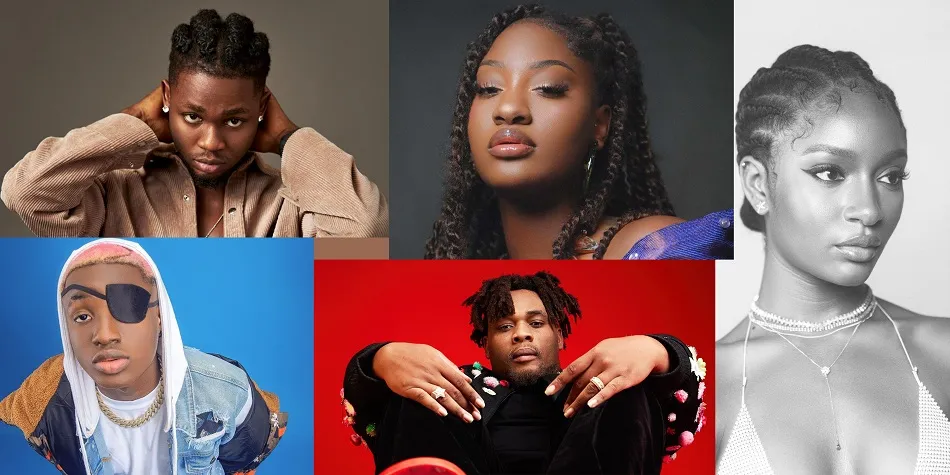
Introduction: A Generation Changing the Sound
Afrobeats has always been a dynamic and evolving genre, shaped by changing social realities, technology, and the creative instincts of each new generation. However, as the industry moves into 2026, the most profound transformation yet is being driven by Nigeria’s Gen-Z artists, who are redefining not only how Afrobeats sounds but what it represents on a cultural level. This moment feels different from previous eras because it is not just about hit records or global recognition, but about a deeper shift in mindset and creative freedom. Afrobeats is no longer being treated as a fixed formula to be repeated, but as a living, flexible sound that can absorb new influences while still honoring its roots.
Born between the late 1990s and early 2000s, Nigeria’s Gen-Z artists were raised on streaming platforms, algorithm-driven discovery, and the power of social media virality. Their musical upbringing happened in an environment where global sounds were just a click away, allowing them to grow up listening to everything from American R&B and trap to Caribbean, African, and alternative music scenes simultaneously. Unlike previous generations who relied heavily on radio airplay and label gatekeepers, these artists understand digital ecosystems instinctively. They know how songs break on TikTok, how visuals shape perception, and how online communities form around authenticity rather than industry backing.
This digital fluency has given Gen-Z artists unprecedented creative independence, enabling them to bypass traditional systems while still achieving massive reach. They are comfortable releasing music on their own terms, testing sounds in real time, and engaging directly with fans across platforms. The feedback loop between artist and audience is faster than ever, shaping creative decisions almost instantly. As a result, Afrobeats in this era feels more immediate, more personal, and more reflective of the realities of modern youth culture both in Nigeria and across the diaspora.
Musically, this new wave is stretching Afrobeats far beyond its traditional comfort zones. Artists like Qing Madi, Rema, Ayra Starr, Taves, Llona, and Ayo Maff are fusing the genre with R&B, amapiano, trap, soul, alternative, and indie influences, creating records that prioritize mood, vulnerability, and emotional depth. Rather than chasing only dancefloor dominance, many of these artists focus on storytelling, atmosphere, and feeling. The result is a sound that feels more intimate and expressive, often blurring genre lines while still maintaining Afrobeats’ rhythmic identity.
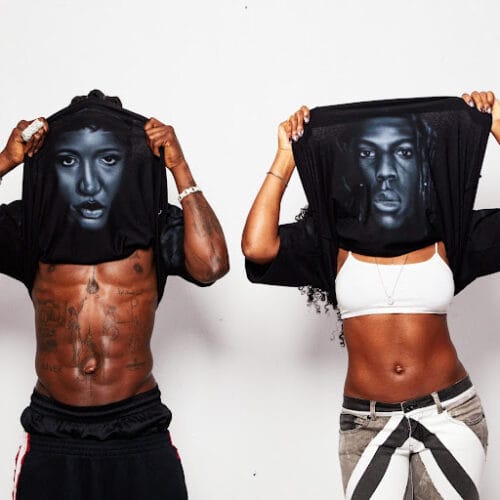
Beyond sound, Gen-Z artists are also reshaping the cultural identity and global perception of Afrobeats. They place strong emphasis on aesthetics, fashion, and visual storytelling, treating every release as a complete creative statement rather than just a song. Music videos, cover art, stage performances, and online personas are carefully curated to reflect individuality, confidence, and personal narratives. Through this approach, Afrobeats has evolved into a broader cultural movement, one that influences fashion, language, lifestyle, and youth expression—while securing Nigeria’s position at the center of global music conversations as the genre enters its next era.
Breaking the Sound Barrier: Genre Fusion and Emotional Depth
Traditional Afrobeats has long been defined by upbeat tempos, infectious rhythms, and club-oriented anthems designed to energize dancefloors and dominate party playlists. While those elements remain an important part of the genre’s DNA, Gen-Z artists are deliberately pushing against these conventions by expanding what Afrobeats can emotionally and sonically represent. Rather than focusing solely on movement and celebration, this new generation places greater emphasis on mood, vulnerability, and personal storytelling. Their music reflects a broader range of human experiences, allowing Afrobeats to exist not just as party music but as a soundtrack for introspection, growth, and emotional connection.
Qing Madi stands out as a powerful example of this shift. As a teenage sensation, she blends Afrobeats with neo-soul and pop influences, creating songs that feel intimate and emotionally grounded. Tracks like Ole featuring BNXN move away from high-energy formulas and instead explore themes of love, longing, and self-discovery through soft melodies and reflective songwriting. Her approach highlights how Gen-Z artists are comfortable slowing the music down, letting emotions breathe, and trusting listeners to connect with honesty rather than hype.
Similarly, artists like Taves are redefining Afrobeats through genre-blending and lyrical depth. His EP Are You Listening fuses Afrobeats with R&B, alternative sounds, and subtle electronic textures, resulting in music that feels calm, reflective, and relatable. Rather than chasing chart-driven hooks, Taves focuses on soothing vocals and everyday emotions, creating songs that resonate deeply with listeners navigating relationships, uncertainty, and personal growth. This softer, more contemplative approach reflects a generation unafraid to show emotional range.
At the same time, artists such as Llona and Ayo Maff bring a street-pop edge to this evolution, blending melodic storytelling with raw, grounded narratives drawn from everyday realities. Rema, meanwhile, continues to push boundaries by pioneering “Afrorave,” a high-energy fusion of Afrobeats and rave elements showcased in tracks like Baby (Is It a Crime). Together, these artists demonstrate how genre fluidity has transformed Afrobeats into a versatile soundscape capable of capturing both life’s quiet moments and its most electrifying highs, appealing to global audiences far beyond the dancefloor.
Digital-First Artists in a Streaming World: How Gen-Z Nigerian Artists Build Global Audiences
Gen-Z Nigerian artists are truly digital natives, having grown up in an era where the internet, smartphones, and social media shape everyday life. Platforms like TikTok, Instagram, X, and Spotify are not just promotional tools for them—they are central to how music is created, shared, and discovered. This generation understands that songs no longer have to follow traditional release patterns to succeed. Instead, music can gain momentum organically through online culture, audience participation, and constant visibility across digital spaces.
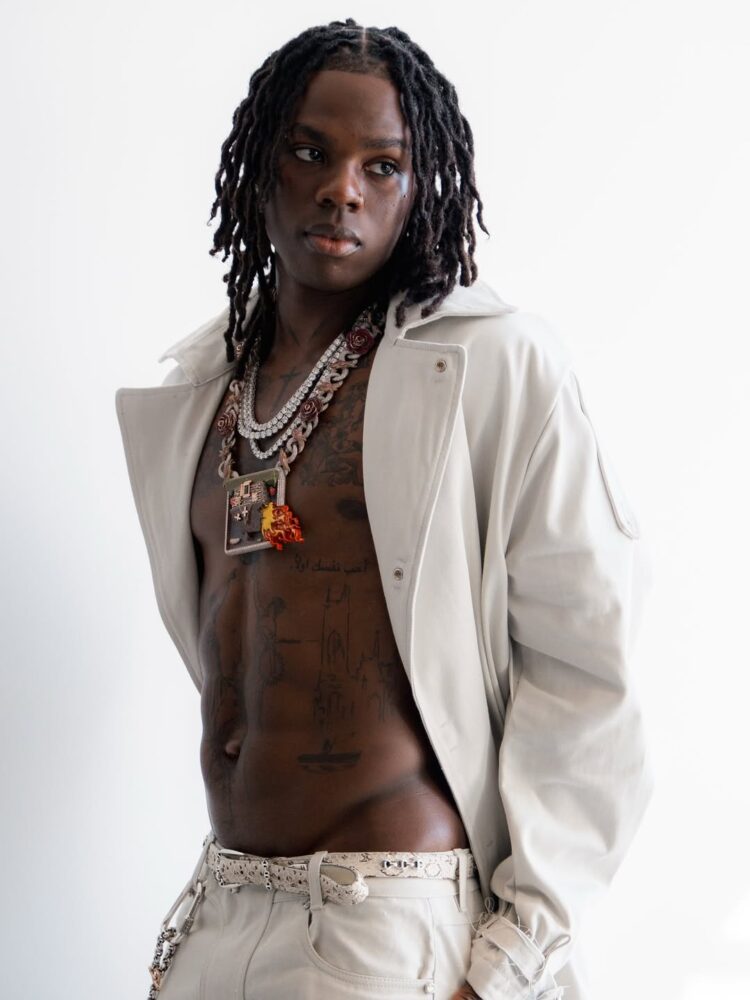
One of the defining traits of this digital-first approach is how viral moments often precede official releases. Short snippets, teaser videos, dance challenges, and meme-driven content regularly introduce songs to audiences long before they hit streaming platforms. Gen-Z artists deliberately test sounds online, paying attention to fan reactions and engagement before finalizing releases. This strategy allows songs to feel familiar and highly anticipated by the time they officially drop, increasing their chances of immediate success.
Artists like Shallipopi and Zerry DL perfectly represent this shift. Tracks such as Laho gained massive traction through social media dances, street slang, and meme culture, turning online buzz into real-world popularity. Rather than relying heavily on radio airplay or traditional label promotion, these artists built direct relationships with fans who actively participated in spreading their music. This sense of community-driven growth has become a powerful alternative to the older, more centralized industry model.
Streaming data reflects the impact of this digital-savvy generation. Afrobeats has seen explosive growth on global platforms, with streaming numbers in Nigeria reportedly increasing by over 4,000% since 2021. This surge is closely tied to Gen-Z’s mastery of algorithms, trends, and user-generated content. By understanding how platforms reward engagement and consistency, these artists have transformed Afrobeats into a globally visible, digitally powered movement—one driven by creativity, connectivity, and youth culture rather than traditional gatekeeping.
Authenticity, Identity, and New Storytelling: Gen-Z Afrobeats and the Rise of Honest, Emotional Storytelling
One of the most defining characteristics of Nigeria’s Gen-Z artists is their commitment to authenticity and unfiltered self-expression. Unlike earlier eras where mainstream Nigerian music often leaned toward escapism and celebration, this generation places honesty at the center of its storytelling. Themes such as mental health, emotional vulnerability, heartbreak, self-doubt, societal pressure, and personal growth are no longer pushed to the background. Instead, they are explored openly and confidently, reflecting the real-life experiences of a generation navigating uncertainty, ambition, and identity in a fast-changing world.
Artists like Ayra Starr embody this shift through empowering yet emotionally grounded songwriting. Songs such as Rush blend confidence with self-awareness, addressing independence, self-worth, and emotional resilience in ways that resonate deeply with young listeners. Similarly, Bloody Civilian’s edgy sound and raw production choices confront vulnerability head-on, refusing to smooth over discomfort or emotional tension. Her music feels intentionally imperfect and bold, mirroring the complexity of modern youth experiences and pushing Afrobeats toward more expressive, alternative spaces.
At the same time, artists like Odumodublvck are expanding the genre’s narrative depth through socially conscious and gritty commentary. By blending grime, drill, and Afrobeats influences, he delivers sharp observations about street life, identity, ambition, and systemic realities in Nigeria. His approach adds a layer of realism and urgency to Afrobeats, proving that the genre can carry hard truths without losing its cultural power. Meanwhile, artists such as Fola and Kunmie offer softer, more emotive perspectives, using R&B-infused sounds to tell stories of love, longing, and emotional complexity.
This wave of honest storytelling has transformed the relationship between artists and their audiences. By speaking openly about personal struggles and inner emotions, Gen-Z artists have built deeper, more loyal connections with fans, particularly young listeners in Nigeria and across the diaspora. Afrobeats, through their voices, feels more human and reflective of modern youth realities. Rather than presenting idealized versions of success or happiness, these artists embrace vulnerability, allowing the genre to evolve into a more emotionally resonant and globally relatable form of expression.
Key Artists Leading the Gen Z Movement
At the center of Nigeria’s Gen-Z Afrobeats movement is a diverse group of artists who are redefining the genre through individuality, experimentation, and cultural confidence. These artists are not bound by a single sound or aesthetic; instead, they represent a wide creative spectrum that reflects the complexity of modern youth culture. Their music blends emotion, street energy, global influences, and digital fluency, collectively shaping the future direction of Afrobeats.
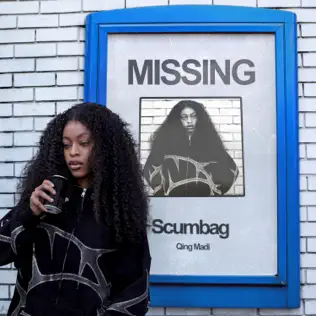
Qing Madi stands out as one of the most compelling young voices of this new wave. As a teenage powerhouse, she blends soulful Afrobeats with pop and neo-soul influences, creating music that feels both tender and self-assured. Her viral rise highlights not just her vocal ability, but her versatility and emotional depth at a young age.
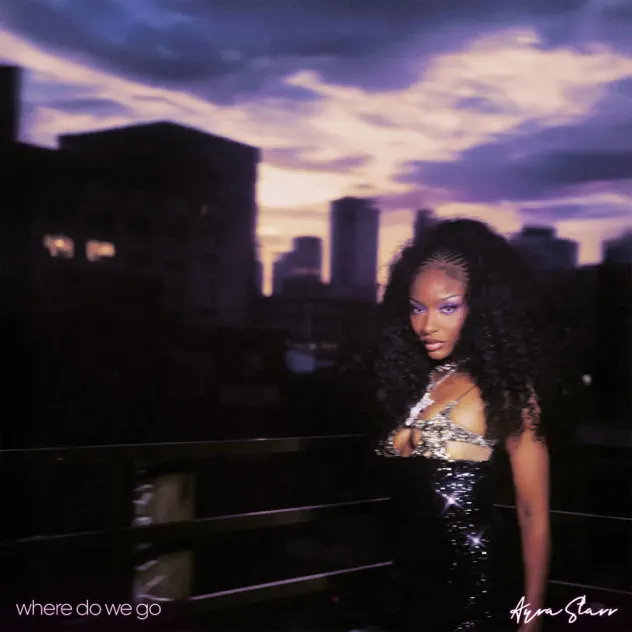
Ayra Starr, on the other hand, has emerged as one of the boldest Gen-Z stars in mainstream Afrobeats, delivering soulful Afropop infused with confidence, vulnerability, and empowerment. Her ability to balance chart success with emotional storytelling has made her a defining voice for young listeners globally.
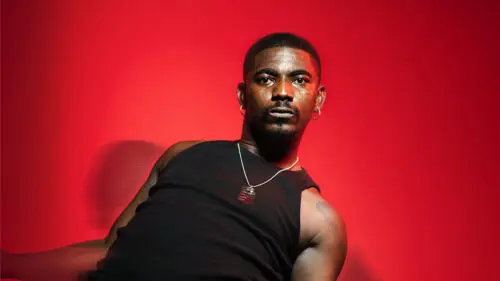
Artists like Taves and Llona represent the introspective side of the Gen-Z movement. Taves is known for his genre-fluid approach, fusing Afrobeats with R&B, alternative, and soul influences, particularly on projects like Are You Listening?, where reflective songwriting takes center stage. Llona brings emotionally charged storytelling grounded in street realities, offering raw yet melodic narratives that resonate deeply with listeners seeking authenticity. Ayo Maff complements this introspection with street-pop energy, pairing catchy hooks with relatable themes that thrive both online and in everyday youth spaces.
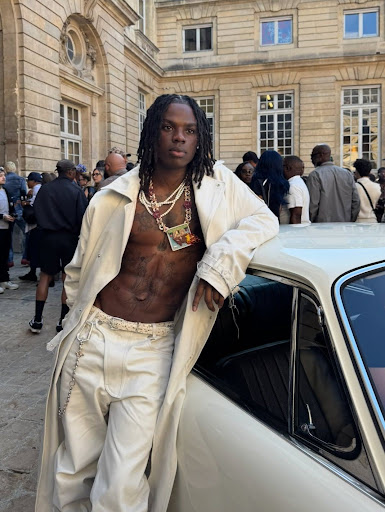
On the more experimental and high-energy end of the spectrum, Rema continues to push Afrobeats into global territory through his self-defined “Afrorave” sound. By blending Afrobeats with rave, trap, and pop elements, he has positioned himself as one of the genre’s most innovative global icons. Shallipopi represents the internet-savvy, street-driven side of Gen-Z Afrobeats, turning slang, memes, and street culture into viral hits that dominate social media and streaming platforms. Bloody Civilian adds a darker, alternative edge, using raw production and fearless vulnerability to challenge traditional Afrobeats structures and narratives.
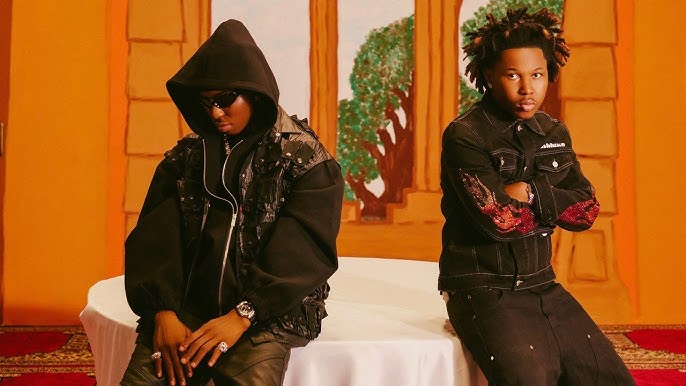
Beyond these leading figures, emerging talents such as Shoday, Zerry DL, Fola, and WINNY Adanu continue to inject fresh energy into the scene. Zerry DL thrives on street-pop appeal and viral momentum, Fola leans into emotive, R&B-infused storytelling, while WINNY Adanu blends amapiano rhythms with street sensibilities, expanding the genre’s rhythmic and cultural range. Together, these artists ensure that Afrobeats remains in constant motion—diverse, innovative, and reflective of a generation unafraid to redefine its sound and identity.
Visual Culture and Lifestyle Influence: How Gen-Z Nigerian Artists Turn Afrobeats Into a Lifestyle Movement
Gen-Z Nigerian artists have expanded Afrobeats far beyond sound, treating visual culture and lifestyle as essential extensions of their creative expression. For this generation, music is only one part of a larger artistic universe that includes fashion, imagery, movement, and digital identity. Every public appearance, social media post, and visual release is carefully considered as part of a broader narrative. This approach has transformed Afrobeats into a multi-dimensional cultural experience that lives not only in headphones and speakers, but across fashion runways, social media timelines, and global youth spaces.
Bold and experimental fashion choices are central to how Gen-Z artists define themselves. They effortlessly blend streetwear, thrifted pieces, luxury fashion, and avant-garde styles, often breaking conventional fashion rules in the process. This fearless mix reflects their rejection of rigid norms and their embrace of individuality. By presenting themselves unapologetically, these artists have become reference points for youth style, influencing how young fans dress, accessorize, and express their identities both locally and internationally.
Visual storytelling has also become a powerful tool in shaping their cultural impact. Music videos, cover art, and promotional visuals are no longer just supporting materials but key elements of the artistic message. Ayra Starr’s futuristic and confident visual themes reinforce her narrative of empowerment and self-belief, while Rema’s bold, instantly recognizable aesthetics have helped establish him as a global style icon. These visuals create immersive worlds that invite audiences to engage with the music beyond sound, strengthening emotional and cultural connections.
Beyond fashion and visuals, Gen-Z artists have evolved into full-fledged lifestyle influencers whose impact extends into everyday youth culture. Their stage performances prioritize energy, individuality, and connection, turning concerts into immersive experiences rather than routine performances. Online, they shape dance challenges, slang, meme culture, and creative trends that spread rapidly across platforms. Through this fusion of music, visuals, and lifestyle, Gen-Z artists have embedded Afrobeats more deeply into global youth culture, positioning it not just as a genre, but as a way of life.
Global Impact and Challenges Ahead
Global Impact: How Gen-Z Is Expanding Afrobeats Worldwide
The influence of Nigeria’s Gen-Z artists has pushed Afrobeats into unprecedented global territory, transforming it from a regional sound into a dominant force on international charts and playlists. Records like Rema’s Calm Down, which has amassed billions of streams across platforms, demonstrate how Gen-Z creativity can translate into worldwide appeal. Beyond individual hits, this generation has helped Afrobeats secure consistent presence on major global charts, streaming playlists, and award platforms, reinforcing Nigeria’s position at the center of modern global pop culture.
International collaborations have also accelerated this global expansion. Gen-Z Nigerian artists now collaborate effortlessly with stars across Europe, North America, Latin America, and Asia, blending Afrobeats with pop, R&B, electronic, and hip-hop sounds. These cross-border partnerships are not just strategic moves but creative exchanges that introduce Afrobeats to new audiences while keeping its core identity intact. Through streaming platforms and social media, Gen-Z artists have made Nigerian music accessible, relatable, and culturally relevant to listeners worldwide.
Perhaps most importantly, Gen-Z’s emphasis on authenticity and direct fan engagement has strengthened Afrobeats’ global resonance. By interacting closely with fans online and sharing personal narratives, these artists build loyal communities that transcend geography. Their openness and relatability have humanized Afrobeats, allowing global listeners to connect with the music on an emotional level rather than viewing it as a distant cultural export. This approach has helped sustain long-term interest in the genre beyond viral moments.
Challenges Ahead: Pressure, Sustainability, and Mental Health
Despite their global success, Nigeria’s Gen-Z artists face significant challenges as they navigate an industry that moves at an unforgiving pace. The pressure to constantly deliver hits, remain visible online, and meet global expectations can be overwhelming, especially in an era driven by algorithms and instant feedback. Viral success, while powerful, often comes with short attention spans, making consistency and longevity more difficult to maintain.
Mental health has become a growing concern for Gen-Z artists operating under constant public scrutiny. Social media exposes them to intense criticism, intimidation, unrealistic expectations, and nonstop comparison, all while demanding continuous engagement. Balancing personal well-being with career growth remains a delicate challenge, particularly for young artists who rise to fame quickly without adequate support systems in place.
Sustaining organic growth is another major hurdle. While algorithms and trends can propel songs to instant success, they can also distort creative direction, pressuring artists to chase virality rather than artistic fulfillment. However, Gen-Z artists’ commitment to authenticity, community-building, and creative freedom positions them to navigate these challenges. By maintaining direct fan relationships and staying true to their identities, they are well-equipped to overcome industry pressures and continue globalizing Nigerian sounds on their own terms.
Conclusion: The Future of Afrobeats Is Gen-Z
As 2026 unfolds, it has become clear that Nigeria’s Gen-Z artists are not a passing phenomenon but the true architects of Afrobeats’ future. Through fearless experimentation, genre-blending, and bold storytelling, they have expanded the boundaries of the genre, making it more emotionally resonant, culturally rich, and globally appealing than ever before. Their willingness to embrace vulnerability, authenticity, and individuality has created music that connects deeply with fans both in Nigeria and across the world, proving that Afrobeats can be both personal and universal.
Digital fluency has also been a defining factor in this evolution. By mastering streaming platforms, social media trends, and fan-driven virality, Gen-Z artists have reshaped how Afrobeats is discovered, consumed, and celebrated worldwide. From TikTok challenges to visually striking music videos and fashion-forward aesthetics, they have turned music releases into multi-dimensional cultural experiences. This integration of sound, style, and lifestyle has helped solidify Afrobeats’ place on global charts and in the hearts of diverse audiences.
The impact of these artists extends beyond individual hits and viral moments; they are influencing the way the industry operates. Through direct engagement with fans, innovative marketing strategies, and international collaborations, Gen-Z creatives are building sustainable pathways for Nigerian music on the world stage. Their work demonstrates that success today requires more than talent—it demands vision, strategy, and the ability to connect with audiences across cultures and platforms.
Ultimately, the Gen-Z wave ensures that Afrobeats is evolving boldly into the future. From the streets of Lagos to global arenas, these artists are redefining what it means to create, share, and experience Nigerian music. Their influence guarantees that Afrobeats will continue to grow, innovate, and inspire, securing its place not just as a genre, but as a dynamic, globally resonant cultural movement.
Read More: Spotify Wrapped in Nigeria: What 2024 and 2025 Reveal About a Nation Driven by Music
The post The New Wave: How Nigeria’s Gen-Z Artists Are Redefining Afrobeats in 2026 appeared first on tooXclusive.
Disclaimer:The opinions presented in this post are those of the mentioned author. The content has been sourced from TooXclusive, with due attribution to the company.
If you wish for us to take down this content, kindly get in touch as soon as possible. This material is shared strictly for promotional purposes only.