
Introduction: When Numbers Become the Loudest Voice
In today’s music industry, numbers speak before the music does. Streams, chart positions, certifications, first-week sales, and playlist placements have become the primary language through which success is defined and debated. Before a listener presses play, a song is already labeled a “hit” or a “flop” based on its performance metrics. In this environment, music is no longer judged first by how it sounds or what it expresses, but by how quickly it accumulates digital validation. As a result, a pressing question continues to surface across fan spaces, industry rooms, and creative circles alike: do music streams and sales actually equate to quality—or do they simply reflect visibility?
The rise of streaming platforms has fundamentally reshaped how music is discovered and consumed. Access has expanded beyond borders, giving artists from previously marginalized regions the chance to reach global audiences in real time. This democratization has been one of the most celebrated shifts in modern music history. However, it has also introduced a new hierarchy—one where algorithms, playlists, and data dashboards quietly determine what rises and what remains unseen. In this system, success often favors music that is immediately digestible, endlessly replayable, and strategically positioned, rather than deeply expressive or creatively daring.
As metrics become more central, the conversation around music quality has grown increasingly distorted. Fans now argue with screenshots of charts instead of musical analysis, while artists are pressured to prove relevance through numbers rather than artistic growth. A song’s emotional weight, cultural context, or technical brilliance can be dismissed if it lacks impressive statistics. Over time, this has trained audiences to equate popularity with excellence, reducing complex creative work into simple numerical comparisons.
Yet, numbers alone cannot fully capture why music matters. They cannot measure the comfort a song provides during difficult moments, the way a lyric reshapes perspective, or the influence a sound has on future generations of artists. Some of the most influential records in history were not instant commercial successes, but their impact grew through longevity, word of mouth, and cultural resonance. These qualities often exist outside the immediate visibility that streaming metrics reward.
Understanding the difference between success and quality has never been more important. In an era where data dominates discourse and algorithms subtly guide taste, learning to listen beyond the numbers is essential. Streams and sales may indicate reach, momentum, and timing—but they do not tell the full story. To truly assess music, we must look past performance metrics and return to the deeper questions of meaning, influence, and lasting value.
Streams vs Quality: What Music Numbers Really Measure
Streaming numbers and sales are often mistaken for objective proof of excellence, but in reality, they reflect consumption rather than craftsmanship. A song’s placement on popular playlists, the strength of its marketing campaigns, the virality of social media challenges, and the momentum generated by algorithms can all dramatically inflate its reach. These mechanisms ensure that certain tracks dominate charts and timelines, regardless of whether they demonstrate technical skill, lyrical depth, or creative originality. In many cases, a song can achieve massive streaming numbers simply because it fits the tastes and listening habits favored by digital platforms, rather than because it represents a high level of artistry.
This disconnect between visibility and craft highlights a fundamental tension in today’s music ecosystem. While numbers can indicate popularity or cultural penetration, they rarely capture the nuances that make music memorable, innovative, or emotionally resonant. A highly streamed track might be catchy and repeatable, but it may not challenge norms, tell a compelling story, or leave a lasting impression on listeners. In contrast, deeply creative or experimental songs often struggle to compete in this system, their brilliance overlooked because they do not conform to the structural or stylistic formulas rewarded by streaming algorithms. Ultimately, relying solely on numbers to gauge quality reduces complex creative work to mere data points, ignoring the richness and artistry that truly define music.
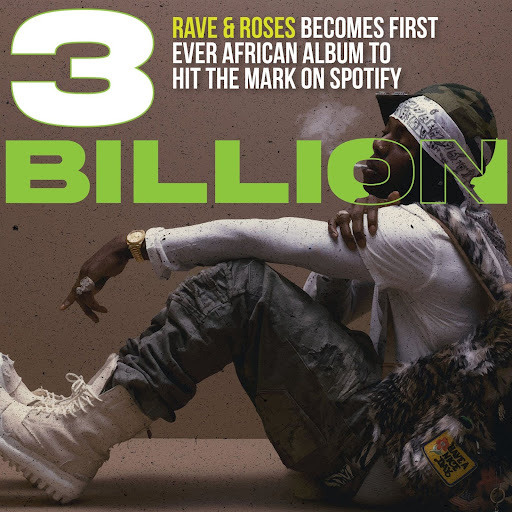
Quality, on the other hand, is inherently subjective and multi-layered, extending far beyond what can be quantified by streams or sales. It encompasses elements like songwriting craftsmanship, emotional resonance, originality, cultural significance, and technical execution. A song’s worth is often determined not by how many people hear it in its first week, but by how deeply it connects with those who do. Tracks that experiment with new sounds, challenge conventional structures, or explore uncomfortable themes often demand more attention and reflection from listeners, which can make them harder to consume in a fast-paced, algorithm-driven environment.
Many songs that push creative boundaries or tell difficult, personal, or socially relevant stories struggle to compete with easily digestible, repeat-friendly tracks designed for passive listening. While catchy hooks, predictable chord progressions, and danceable rhythms may dominate streaming platforms, they do not necessarily reflect the depth or originality of the music. This dynamic has created an industry where accessibility and algorithmic friendliness often outweigh innovation and artistic courage, subtly shaping what gets produced, promoted, and ultimately heard by the masses.
This does not make popular music inherently “bad,” nor does it diminish the skill or creativity of artists who achieve commercial success. Rather, it highlights a structural bias in the way modern music is consumed and measured. Numbers tend to reward accessibility and immediate appeal more than artistry, and in doing so, they risk obscuring the songs and artists that might ultimately define a generation. Recognizing this distinction is essential for listeners, critics, and creators alike, as it challenges us to appreciate quality on its own terms, beyond charts, metrics, and virality.
The Algorithm Effect: How Streaming Platforms Shape Taste
Streaming platforms are designed primarily to keep listeners engaged for as long as possible, and this goal has a profound influence on what music gets promoted and consumed. Their algorithms prioritize tracks that fit neatly into specific moods, playlist categories, or predictable sonic patterns, subtly guiding listener behavior without overtly dictating taste. Songs that are immediately catchy, comfortable, and easy to digest are favored, as they encourage repeated plays and longer listening sessions. In contrast, music that challenges expectations, explores unusual rhythms, or carries heavy emotional weight often struggles to gain the same visibility, regardless of its creativity or depth.
This algorithmic preference shapes not only what listeners hear, but also what artists produce. Mid-tempo, non-confrontational tracks that can be looped effortlessly fit perfectly into the streaming ecosystem, increasing the likelihood of chart success and viral moments. Meanwhile, more experimental, emotionally dense, or structurally complex records are less likely to receive algorithmic promotion, meaning they can easily be overlooked by casual audiences. Over time, this system subtly trains listeners to equate what is frequently heard with what is “good,” reinforcing a cycle where accessibility and predictability are rewarded over risk-taking and artistic innovation.
This system subtly trains listeners to equate quality with familiarity, conditioning audiences to favor what is instantly recognizable over what is novel or challenging. Songs that fit familiar patterns, melodies, or rhythms are more likely to be recommended and replayed, creating a cycle where repeated exposure reinforces perceived value. Over time, repetition begins to replace curiosity, and chart performance or streaming statistics become a convenient shortcut for judgment. Listeners increasingly rely on numbers as validation, assuming that the most popular tracks must also be the best, while more unique or unconventional music struggles to gain attention.
As a result, music that demands patience, reflection, or deeper engagement often falls through the cracks—not because it lacks artistic merit, but because it resists the mechanisms of algorithmic optimization. Complex arrangements, experimental production, or emotionally layered lyrics may not align with the quick-consumption model favored by playlists and social media trends. This creates an invisible barrier for both creators and listeners, limiting exposure to innovative or boundary-pushing work. In such a landscape, true quality can exist quietly, overshadowed by the loud, repetitive signals of popularity, and the music that challenges conventions risks being overlooked despite its potential to resonate profoundly with those willing to listen closely.
Afrobeats and the Global Numbers Game: Popularity, Reach, and Artistic Depth
Afrobeats provides one of the clearest examples of how streaming numbers can reflect reach rather than depth, illustrating the tension between commercial success and artistic value. As the genre has grown beyond Nigeria’s borders to global audiences, certain types of songs tend to dominate streaming platforms. Tracks with dance-friendly rhythms, simple and memorable hooks, and themes that resonate universally are more likely to be picked up by playlists, recommended algorithms, and social media trends. While these songs can achieve enormous visibility and popularity, the metrics often measure how widely a song travels rather than the complexity, creativity, or cultural nuance behind it.
This global reach has shaped both production and creative priorities within the genre. Artists increasingly consider how their music will be received outside Nigeria or West Africa, sometimes tailoring records to meet the expectations of international listeners. This trend has encouraged the rise of “export-ready” Afrobeats songs—polished, highly melodic tracks designed for broad accessibility. While this approach opens doors to new markets and collaborations, it can also come at the expense of more experimental sounds, local storytelling, or street-rooted authenticity. Certain creative risks or culturally specific elements may be softened or removed entirely to maximize global appeal.

Despite these pressures, many global Afrobeats stars have found ways to balance artistry with mass appeal. Artists like Wizkid, Burna Boy, Rema, and Asake consistently deliver music that resonates both locally and internationally, blending innovative production, compelling narratives, and culturally rich references with catchy hooks and polished sound design. Their ability to thrive across different markets demonstrates that it is possible to achieve streaming success without sacrificing artistic integrity. However, these examples are the exception rather than the rule; for every globally recognized hit, numerous deeply creative tracks remain underappreciated because they do not conform to the algorithmic formulas that dominate streaming platforms.
This environment highlights a fundamental distinction in how success is measured: high numbers often reflect accessibility to a global audience rather than inherent musical quality. Songs that perform well on streaming platforms are usually optimized for repeat listening, playlist placement, and broad relatability. By contrast, tracks that are experimental, culturally specific, or emotionally layered may struggle to gain traction, regardless of their artistic merit. For listeners seeking depth or innovation, this can mean that the most engaging or meaningful records are less likely to appear in their curated playlists or recommended feeds.
Ultimately, the global numbers game in Afrobeats underscores a broader trend in modern music: commercial visibility and streaming success do not always equate to creative excellence. While metrics can provide insight into what resonates widely, they cannot capture the nuances, risk-taking, or cultural specificity that often define true artistry. Recognizing this distinction allows fans, critics, and artists to appreciate the full spectrum of the genre—celebrating not only the tracks that dominate charts but also the records that push boundaries, tell unique stories, and enrich the global musical landscape.
Popularity Isn’t the Enemy—But It’s Not the Standard
Popularity is often misunderstood in conversations about music quality. Commercial success, wide recognition, and strong streaming numbers are not inherently negative, nor do they automatically strip a song of artistic value. Music has always existed within a marketplace, and connecting with a large audience can be a sign of effective communication, emotional resonance, or cultural relevance. Popular songs often capture the mood of a moment, reflecting shared experiences in ways that feel immediate and accessible.
However, popularity becomes problematic when it is treated as the definitive measure of quality. In today’s data-driven industry, success is increasingly framed as a competition, where numbers serve as trophies rather than indicators. Artists are ranked against one another based on streams and chart positions, while fans use metrics as proof of superiority rather than as points of discussion. This shift narrows the conversation around music, reducing a complex art form to performance statistics and turning creative expression into a scoreboard.
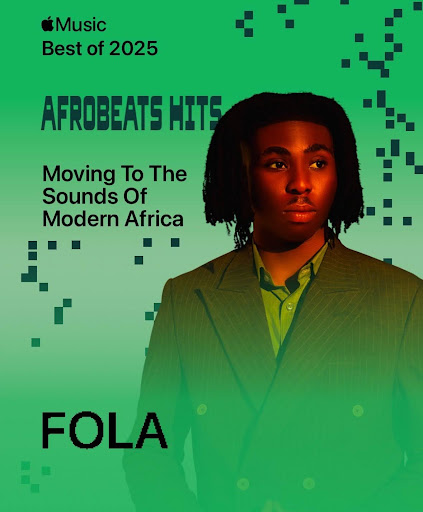
The pressure to remain popular also shapes artistic decision-making. Many artists feel compelled to chase trends, repeat successful formulas, or prioritize virality over authenticity in order to stay relevant. While this strategy can yield short-term gains, it often limits creative exploration and discourages risk-taking. Over time, this environment can lead to sonic uniformity, where many songs begin to sound alike, designed more for algorithmic success than for genuine artistic expression.
Artistry, by contrast, is often quieter and less immediately rewarding. It thrives on experimentation, personal storytelling, and emotional honesty—qualities that may not translate instantly into high streaming numbers. Some of the most influential music in history initially struggled to find mainstream acceptance, only gaining recognition years later through cultural impact and lasting influence. These works remind us that true artistic value is not always visible in the moment, and that greatness often reveals itself gradually rather than explosively.
Ultimately, popularity and artistry can coexist, but they should not be conflated. Popularity reflects reach, timing, and accessibility, while artistry speaks to depth, originality, and long-term significance. Recognizing the difference allows listeners to enjoy widely loved music without dismissing quieter, more challenging work. In doing so, we create space for a richer, more inclusive understanding of quality—one that values both connection and creativity, without allowing numbers to define worth.
Redefining Music Quality Beyond Streams and Sales
If streams don’t define quality, then the question becomes what truly does. A more complete and meaningful evaluation of music must include factors such as longevity, influence, and emotional impact—qualities that cannot be captured by first-week numbers or viral spikes. Longevity speaks to a song’s ability to endure beyond trends, continuing to resonate with listeners long after its initial release. Influence reflects how a piece of music shapes other artists, inspires new sounds, or alters creative directions within a genre. Emotional impact, perhaps the most personal measure, lies in how deeply a song connects with listeners, offering comfort, reflection, or a sense of shared experience that statistics alone cannot quantify.
Great music often reveals its value gradually, unfolding over time rather than exploding instantly. Many classic albums and songs grow in importance as cultural contexts shift, while others become reference points for future generations of musicians and fans. These songs may not dominate charts upon release, but they embed themselves in memory, conversations, and creative DNA. Their relevance is sustained not by algorithms or marketing cycles, but by meaning and authenticity. In this sense, true quality is measured not by how loudly a song arrives, but by how long it stays—and how profoundly it continues to matter.
Another crucial dimension of quality lies in a song’s ability to capture a moment honestly, even if that moment is uncomfortable or unconventional. Music that reflects lived experiences, social realities, or personal vulnerability often resonates more deeply over time than songs engineered purely for mass appeal. These records may not always fit neatly into playlists or trend cycles, but they become touchstones for listeners who see their own stories reflected in the sound and lyrics. In this way, quality is tied to truthfulness and intention—how sincerely an artist communicates rather than how efficiently a song performs.
Quality is also revealed through active listening and continued discovery. Songs that reward repeated, intentional listens often uncover new layers—subtle production choices, lyrical nuances, or emotional shifts that deepen appreciation over time. This kind of engagement stands in contrast to passive consumption, where music fades into the background as sonic wallpaper. When a song invites listeners to return, reflect, and reinterpret it, its value extends beyond the moment of release. Such music may never dominate charts, but it builds lasting relationships with its audience, proving that true quality lives not in numbers, but in connection, memory, and meaning.
Conclusion: Success Is Loud, Quality Is Lasting
Streams and sales tell us who is winning the moment, but they rarely reveal who is shaping the future of music. These metrics are designed to capture attention in real time, rewarding immediacy, virality, and momentum rather than depth or staying power. Success, in this sense, is loud and highly visible—amplified by charts, certifications, playlist placements, and social media debates. Quality, by contrast, often unfolds slowly and quietly, emerging through repeated listening, emotional connection, and cultural influence. In a world increasingly obsessed with metrics and rankings, choosing to listen beyond numbers becomes not only a personal preference but a deliberate act of discernment.
The dominance of streaming data has reshaped how music is discussed, celebrated, and even remembered. Conversations that once revolved around songwriting, production choices, or storytelling are now frequently reduced to comparisons of statistics and records broken. Fans defend their favorites with screenshots instead of analysis, while artists are judged more by performance graphs than by creative evolution. While numbers can offer insight into reach, timing, and audience size, they lack the depth required to capture intention, meaning, or emotional impact. When metrics dominate discourse, music risks being treated as content to be consumed rather than art to be experienced.

True music quality cannot be fully quantified because it exists beyond measurement and beyond immediate validation. It lives in the emotions a song stirs, the risks an artist is willing to take, and the truths they choose to express, even when those truths are uncomfortable or unconventional. Quality reveals itself in the way music accompanies people through different stages of life—through joy, grief, growth, and reflection. These moments of connection cannot be charted or certified, yet they form the foundation of why music continues to matter across generations.
Time remains the most honest and unforgiving judge of musical quality. Songs that endure do so because they continue to resonate long after trends fade and streaming spikes lose relevance. They influence new artists, shape evolving sounds, and remain meaningful even as cultural contexts shift. Many records that are now considered classics were not immediate commercial successes; their importance was proven through longevity, reinterpretation, and sustained emotional relevance. While streams may determine who dominates the present, it is time that determines who defines the legacy.
Ultimately, success and quality are not enemies, but they should never be confused as equals. Numbers may open doors, attract attention, and create opportunity, but they do not determine artistic worth. By learning to separate visibility from value, listeners can engage with music more thoughtfully, critically, and emotionally. In doing so, we allow space for artistry to be recognized on its own terms—patiently, honestly, and without the noise of competition. When the charts move on and the metrics reset, it is quality that remains, quietly shaping the future long after the moment has passed.
Read More: Spotify Wrapped in Nigeria: What 2024 and 2025 Reveal About a Nation Driven by Music
The post Do Music Streams and Sales Really Equal Quality? Rethinking Success in the Streaming Era appeared first on tooXclusive.
Disclaimer:The opinions presented in this post are those of the mentioned author. The content has been sourced from TooXclusive, with due attribution to the company.
If you wish for us to take down this content, kindly get in touch as soon as possible. This material is shared strictly for promotional purposes only.