
Introduction: How Afrobeats and Nigeria’s Music Industry Became a Global Powerhouse
Nigeria’s music industry has grown into a global cultural force, capturing audiences far beyond the continent and firmly establishing itself on the world stage. Nigerian artists now headline major international festivals, sell out arenas across Europe and North America, and consistently dominate global streaming charts. Afrobeats has evolved from a regional sound into a worldwide movement, influencing pop music, fashion, dance, and youth culture across continents. What was once seen as a niche African genre is now a central part of global pop conversations, driven by Nigeria’s creativity, cultural confidence, and relentless output.
Behind every viral hit, award-winning album, or chart-topping single, however, is a carefully assembled team of professionals working tirelessly behind the scenes. Managers, publicists, digital marketers, and brand strategists form the engine that powers modern success, handling responsibilities that go far beyond music creation. They coordinate releases, negotiate deals, secure media coverage, manage public perception, and ensure artists are positioned correctly in an increasingly competitive market. Without this support system, even the most talented artists can struggle to maintain momentum in today’s fast-moving industry.
As Afrobeats continues to dominate global playlists and major stages, the industry’s business infrastructure has grown more sophisticated and influential. Music management has become deeply strategic, focusing on long-term career building rather than short-term hits. Public relations has shifted toward narrative control, shaping how artists are perceived both locally and internationally. Digital strategy now plays a central role, determining how music travels across platforms like Spotify, YouTube, TikTok, and Apple Music, while brand partnerships help expand artists’ reach beyond music into lifestyle and commerce.
In this modern landscape, success is no longer defined solely by the quality of the music. Artists must think holistically, understanding the importance of timing, branding, visual identity, storytelling, and audience engagement. A strong rollout plan, consistent online presence, and clear artistic narrative can be the difference between a song that trends briefly and one that becomes a cultural moment. Fans today connect not just with sound, but with stories, personalities, and authenticity, making strategy as important as creativity.
Ultimately, Nigeria’s music success is built at the intersection of art and business. The artists who thrive are those supported by the right teams, guided by smart decision-making, and presented through compelling narratives that resonate globally. As the industry continues to expand and attract international investment, this balance between creativity and structure will remain essential. Nigeria’s dominance on the global music stage is no longer accidental—it is the result of talent backed by strategy, vision, and a rapidly maturing industry ecosystem.
How Music Management Became Nigeria’s New Power Position
Music management in Nigeria has undergone a major transformation, evolving from a largely supportive role into one of the most powerful positions in the entire music ecosystem. In earlier years, managers were often limited to handling bookings, negotiating fees, and coordinating basic logistics for artists. Today, that role has expanded into full-scale career leadership. Managers are now deeply involved in shaping artistic direction, overseeing project execution, and aligning creative output with long-term goals. As the Nigerian music industry has grown more competitive and globally visible, the need for strong, strategic management has become essential rather than optional.
Modern Nigerian music managers now operate as brand architects and business strategists. They oversee artist development, image building, digital presence, tour planning, international collaborations, and commercial opportunities. With streaming platforms, social media, and global charts playing such a crucial role, managers must understand data analytics, marketing trends, and audience behavior across multiple territories. They make critical decisions about release timing, promotional strategies, partnerships, and market expansion, often determining whether an artist can successfully transition from local recognition to international relevance. In this environment, management sits at the center of every major career move, ensuring consistency, growth, and longevity.

Industry leaders such as Asa Asika with Davido, Sunday Are and Jada Pollock with Wizkid, Bose Ogulu with Burna Boy, and The Plug’s broader management ecosystem have redefined what effective music management looks like in Nigeria. Their approach combines long-term planning, strong global networks, and a clear understanding of branding and storytelling. These managers don’t just chase hits; they build sustainable careers that can withstand changing trends and market pressures. In today’s Nigerian music landscape, the difference between a one-hit wonder and a global superstar often comes down to management. More than ever, music managers have become the backbone of the industry, quietly shaping its biggest successes and defining its future direction.
The PR Machines Turning Songs Into Viral Moments
Public relations in the Nigerian music industry has grown into a powerful and highly strategic force, moving far beyond the era of basic press releases and occasional radio shout-outs. Today, PR is built around intentional storytelling, brand positioning, and media engineering designed to shape public perception over time. Publicists now function as narrative architects, carefully controlling how artists are introduced, discussed, and remembered by audiences. Every interview, headline, social media post, and public appearance is part of a larger story that reinforces an artist’s identity, values, and creative direction. In an industry where relevance can be fleeting, PR teams ensure that artists remain visible, consistent, and culturally significant, even between major releases.
In a digital environment dominated by algorithms and rapid content consumption, Nigerian music PR has adapted to become faster, smarter, and more data-driven. Platforms like TikTok, Twitter, Instagram, YouTube, and podcasts are no longer optional—they are essential battlegrounds for attention. Publicists now design viral campaigns that include TikTok challenges, influencer activations, curated Twitter trends, strategic leaks, behind-the-scenes content, and carefully timed media appearances. They understand how to spark conversations, sustain momentum, and turn online engagement into real-world impact, whether that means chart success, sold-out shows, or global recognition. A well-executed PR strategy can transform a song into a cultural moment, giving it life far beyond its initial release window.

Beyond hype and promotion, PR teams also serve as the first line of defense when challenges arise. In moments of controversy, backlash, or misinformation, publicists move quickly to control narratives, issue statements, manage online reactions, and protect the artist’s brand. Their ability to respond strategically often determines whether a situation fades quietly or escalates into long-term damage. In Nigeria’s fast-paced music industry—where news spreads instantly and public opinion shifts rapidly—strong PR is not just about making hits louder, but about ensuring longevity, credibility, and resilience. As Afrobeats continues to expand globally, the PR machines behind the music remain some of the most influential forces shaping success.
Brand Partnerships and the Business Behind Artist Visibility: The Engine Driving Afrobeats’ Global Expansion
As Afrobeats continues its unstoppable rise on the world stage, brand partnerships have emerged as a cornerstone of the genre’s business model. These collaborations go beyond mere endorsements, serving as strategic alliances that amplify artists’ reach and create diversified revenue streams. From telecom giants like MTN, Airtel, and GLO to beverage powerhouses such as Pepsi and Martell, and fashion icons including Puma and Nike, Afrobeats stars are transforming into multifaceted brands themselves. Management teams and PR experts meticulously negotiate these deals, ensuring they align with the artist’s image while extending their cultural influence. This shift allows musicians to transcend traditional income from streams and tours, building empires that resonate across industries and continents.
Leading the charge are superstars like Wizkid, whose partnerships span luxury and everyday brands. He has secured long-standing deals with Puma as a global ambassador, Pepsi for multi-year campaigns, and telecom leader GLO, alongside fintech innovator Flutterwave. These endorsements not only boost his visibility but also position him as a lifestyle icon, blending streetwear with high fashion in collaborations like those with Tommy Hilfiger. Similarly, Burna Boy has inked lucrative agreements with Nike, Pepsi, and luxury watch brand Bulova, while his recent multi-year partnership with Swiss sportswear company On highlights his growing appeal in athletic and cultural spaces. Davido, known for his entrepreneurial flair, boasts deals with Puma (including co-designed collections), Martell cognac, Infinix Mobile, and MTN, reportedly earning millions annually from endorsements alone.

Younger talents are also capitalizing on this trend. Rema, the Gen Z sensation behind global hit Calm Down, has landed endorsements with Pepsi, Tommy Hilfiger, and Tecno Mobile, cementing his status as a fashion-forward ambassador. Tiwa Savage, often hailed as the Queen of Afrobeats, became the first female brand ambassador for Tecno, aligning her empowering image with the smartphone giant’s innovative ethos. These deals often involve telecom (targeting Africa’s youth demographic), fashion (leveraging artists’ trendsetting style), beverages (tapping into celebratory lifestyles), and fintech (reaching digital-savvy audiences), creating symbiotic relationships that benefit both parties.
Ultimately, these partnerships underscore Afrobeats‘ evolution into a full-fledged brand ecosystem. Carefully curated by teams focused on long-term impact, they extend artists’ influence far beyond music charts—into wardrobes, screens, and daily lives worldwide. As the genre grows, such collaborations not only diversify income but also solidify Afrobeats’ cross-industry dominance, turning musicians into global influencers with lasting economic and cultural power.
Why Modern Nigerian Artists Need More Than Talent
Music alone is no longer enough for artists hoping to succeed in Nigeria’s fast-moving and highly competitive music industry. While talent remains the foundation of any meaningful career, it is no longer the sole factor that determines visibility, influence, or longevity. With thousands of new songs released weekly and audiences constantly exposed to fresh content across streaming platforms and social media, standing out has become increasingly difficult. Artists must now think beyond recording good music, understanding that success depends on how well their work is packaged, presented, and positioned within an overcrowded digital landscape where attention spans are short and trends change rapidly.
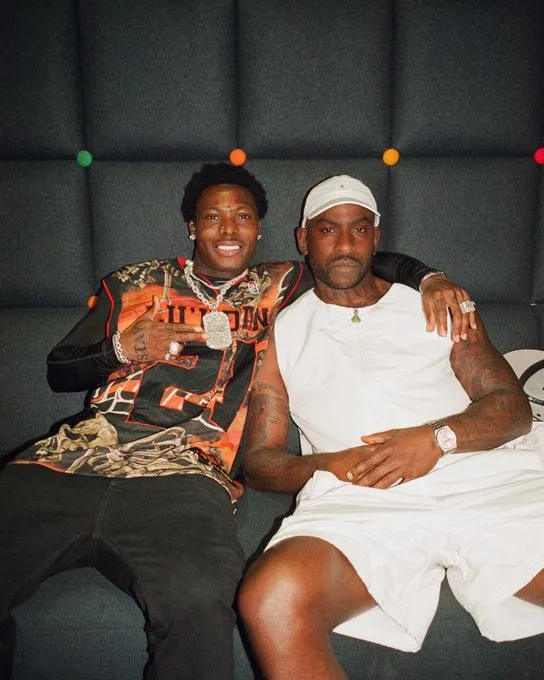
The most successful Nigerian artists today operate like full-scale enterprises rather than solo creatives. Behind every major act is a carefully structured team handling management, public relations, digital marketing, A&R, content creation, logistics, legal affairs, and brand strategy. Each unit plays a specific role in shaping the artist’s career, from refining sound and image to negotiating deals and protecting intellectual property. This collective effort allows artists to focus on creativity while professionals handle the complex business machinery. Without such structure, even the most talented musicians often struggle to sustain momentum, monetize their success, or navigate the pressures of growth.
Beyond team structure, strategy has become one of the most decisive factors in modern success. Timing now determines whether a release dominates conversations or disappears quietly, while narrative gives audiences a reason to care beyond the music itself. Visual aesthetics, fashion, branding, and online tone all contribute to how an artist is perceived, creating a recognizable identity that fans can connect with emotionally. Carefully planned rollout calendars, storytelling arcs, and consistent messaging help transform songs into moments and artists into cultural figures rather than fleeting trends.
Ultimately, relevance in today’s Nigerian music industry is built through calculated, long-term planning rather than luck or viral moments alone. Artists who rise and remain at the top understand how to control their image, adapt to shifting industry dynamics, and position themselves for both local dominance and international expansion. They invest in structure, surround themselves with the right expertise, and approach their careers with the mindset of business leaders as well as creatives. In a global market defined by fierce competition and constant change, sustained success belongs to artists who combine talent with vision, discipline, and strategic execution.
The Global Impact of Nigeria’s Professionalized Music Ecosystem
With Afrobeats breaking into the UK Official Charts, Billboard rankings, Grammy categories, and major global streaming playlists, Nigeria’s music industry has entered a new era of international relevance. Nigerian artists are no longer viewed as regional acts but as key contributors to global pop culture, influencing sound, style, and trends worldwide. This level of success has not happened by chance; it is the result of years of growth, experimentation, and increasing professionalism across the industry. As global audiences continue to embrace Afrobeats, the systems supporting Nigerian music have had to evolve to meet international standards and expectations.
At the heart of this global rise is Nigeria’s increasingly professional back-end music ecosystem. Managers, publicists, label executives, A&Rs, and digital strategists now operate with the same level of organization and foresight seen in established music markets like the US and UK. These professionals handle complex negotiations, strategic rollouts, international marketing campaigns, and cross-border collaborations. Their ability to navigate global platforms, industry gatekeepers, and diverse audiences has been critical in ensuring Nigerian artists are not only discovered but also sustained at the highest levels.

This growing structure has opened doors to major international opportunities for Nigerian artists. Well-coordinated teams now secure global record deals, international tour slots, festival bookings, and worldwide brand partnerships that extend far beyond music alone. Nigerian artists are performing on some of the biggest stages in the world, collaborating with international superstars, and representing African culture on a global scale. Behind every headline moment is a team working relentlessly to manage logistics, branding, media coverage, and long-term positioning.
Ultimately, Nigeria’s professionalized music ecosystem has transformed local talent into global icons. The industry now functions as a well-connected network capable of competing with the world’s biggest music markets. As Afrobeats continues to expand its global footprint, the strength of Nigeria’s back-end infrastructure will remain a key factor in sustaining this momentum. What we are witnessing is not just a musical movement but the emergence of a globally respected industry powered by structure, strategy, and collective expertise.
The Money Side: How Teams Earn From Artist Success
The business of hits in Nigeria has grown into a sophisticated revenue machine driven by structure, planning, and professional expertise. Music success today extends far beyond streaming numbers or radio rotation, operating instead as a multi-layered business ecosystem designed to generate income from multiple directions. Popularity alone no longer guarantees financial stability; what matters is how well that popularity is monetized and sustained over time. As the industry becomes more global and competitive, artists and their teams must approach music as both an art form and a commercial venture, carefully balancing creativity with sound financial decision-making.

Managers play a central role in this financial structure, typically earning between 10–20% of an artist’s gross income in return for overseeing career direction, negotiations, and long-term strategy. PR agencies usually operate on monthly retainers or project-based fees, while digital marketers, booking agents, lawyers, and brand strategists are compensated according to their specific roles. Each professional contributes to increasing the artist’s earning potential by securing better deals, protecting intellectual property, and ensuring that opportunities align with the artist’s brand and future goals. Without this level of organization, artists often struggle with poor contracts, missed revenue opportunities, or financial mismanagement.
Beyond management and PR, income flows in from a wide range of sources, including sync licensing for films and commercials, brand endorsements, merchandise sales, live performances, publishing royalties, and international touring. This diversified approach allows artists to remain financially stable even when one revenue stream slows down. The modern Nigerian artist now operates within a complex, multi-stream ecosystem that demands strong business understanding and experienced professionals who think beyond immediate gains. In this environment, long-term financial growth is built through careful planning, smart partnerships, and a clear vision for sustainability.
How Nigeria’s Entertainment Blogs and Media Platforms Shape Narratives
In Nigeria’s thriving music industry, entertainment blogs and media platforms like Tooxclusive, Pulse Nigeria, and NotJustOK serve as key influencers of public opinion and cultural trends. These sites are often the first to break news, premiere new tracks, share exclusive downloads, and highlight emerging artists, effectively deciding which songs gain massive traction and go viral. By curating daily content, ranging from music reviews and gossip to industry updates, they create a constant stream of information that fans rely on, building hype around releases and shaping how audiences discover and engage with music. Complementing these blogs are numerous YouTube channels and podcast platforms that offer visual performances, artist interviews, and casual discussions, fostering deeper connections and amplifying fan loyalty in a digital-first landscape.
More specialized outlets add layers of credibility and nuance to the ecosystem. TurnTable Charts provides official, data-backed rankings based on streaming, radio play, and sales, giving artists tangible proof of success and helping to legitimize their popularity. Glitch Africa focuses on intimate acoustic sessions and live performances, revealing artists’ raw talents and personal stories in ways that polished tracks often can’t. Meanwhile, The Native stands out with its thoughtful, in-depth journalism, exploring themes like cultural identity, fashion, and innovation within Afrobeats and beyond. These platforms collectively go beyond simple promotion; they frame narratives around artists’ brands, handle controversies, and influence broader conversations about Nigerian music on a global stage.
A skilled PR team maximizes this influence by strategically placing content across these channels, securing quick-hit exclusives on Pulse Nigeria for instant buzz, arranging profound interviews on The Native for storytelling depth, booking authentic sessions on Glitch Africa for viral authenticity, or emphasizing chart performance through TurnTable data. TikTok clips, podcast spots, and social integrations further extend reach, ensuring cohesive branding. Ultimately, these media platforms act as vital bridges between artists and their audiences, profoundly dictating perceptions, driving careers, and evolving the narrative of Nigeria’s dynamic entertainment scene.
The Challenges Faced: Burnout, Fast Pace, and Industry Pressure
Behind the glamour, chart success, and global acclaim of Nigeria’s music industry exists a demanding, high-pressure environment that rarely allows its key players to slow down. The public-facing image of luxury, awards, and viral moments often hides the reality of long hours, constant deadlines, and intense expectations placed on everyone involved. Success in the industry is built on momentum, and once that momentum begins, there is immense pressure to maintain it without interruption. This relentless pace creates an atmosphere where rest is often postponed, and personal boundaries are regularly tested in the pursuit of relevance and growth.
Managers operate at the center of this pressure, balancing creative vision with business execution on a near-constant basis. Their responsibilities stretch far beyond scheduling and negotiations, extending into emotional support, crisis management, brand alignment, and long-term career planning for their artists. With Nigerian acts now operating on global stages, managers must coordinate across multiple time zones, international teams, and fast-changing market demands. The expectation to always be available—whether for last-minute decisions, emergency issues, or strategic pivots—makes burnout a common but rarely discussed reality within artist management circles.
Public relations teams face a similarly intense environment, where speed and precision are non-negotiable. In an era dominated by social media, a single tweet, interview clip, or leaked rumor can reshape an artist’s public perception within hours. PR professionals must constantly monitor online conversations, anticipate backlash, and control narratives before they spiral beyond repair. This pressure to respond instantly, while still crafting thoughtful and strategic messaging, creates an ongoing mental strain that requires both emotional intelligence and unwavering focus.
Digital strategists and marketers operate under perhaps the most unpredictable conditions of all, as platform algorithms, audience behavior, and content trends shift almost daily. Strategies that once guaranteed reach or virality can become obsolete overnight, forcing teams to continuously experiment, analyze data, and adapt. The demand to keep artists visible in a crowded global space, while also driving streaming numbers and fan engagement, adds another layer of pressure. Yet, this constant challenge has also sharpened the industry’s creative instincts, pushing Nigerian music professionals to innovate faster, think globally, and build systems capable of thriving under sustained intensity.
The Future: More Structure, Global Expansion, and Professionalism
As major international labels like Sony Music (through RCA Records), EMPIRE Distribution, and Universal Music Group continue to deepen their investments in Nigeria’s music scene, the industry is shifting toward greater professionalism and structure. Deals such as Universal’s equity stake in Mavin Records, EMPIRE’s long-standing partnerships with YBNL and artists like Fireboy DML and Asake, and Sony’s alignments with stars including Wizkid, Davido, and Tems are bringing improved contract terms, stronger legal protections, and enhanced royalty systems. These collaborations are fostering a more formalized ecosystem, where Nigerian labels and artists gain access to global distribution networks, advanced marketing tools, and data-driven strategies, reducing reliance on informal arrangements and minimizing exploitative practices common in the past.

This influx of international involvement is accelerating Afrobeats’ global expansion, with the genre solidifying its presence on worldwide charts, festivals, and streaming platforms. In 2025, Nigerian music generates hundreds of millions annually—estimated at $600 million—with projections for further growth driven by billions of streams on Spotify and Apple Music, sold-out international tours, and high-profile collaborations. Artists are headlining major venues, earning substantial fees from live performances, and securing multimillion-dollar brand endorsements, while the industry creates jobs and boosts economic impact through touring, merchandise, and digital revenue. Emerging subgenres, female-led breakthroughs, and cross-cultural fusions are diversifying the sound, ensuring Afrobeats remains a dominant force in global pop culture.
Looking ahead, the business minds—executives, managers, and entrepreneurs—behind these successes will play an even more pivotal role in nurturing the next generation of stars. With increased focus on fair deals, mental health support, and local infrastructure, they will shape how Nigerian music competes sustainably on the world stage. This evolution promises not just commercial triumphs but lasting cultural influence, positioning Afrobeats as a blueprint for African creative industries to thrive globally while retaining artistic and economic control.
Conclusion: The Business Behind the Beat
Nigeria’s ascent to becoming a global music powerhouse has been no accident, but the result of a meticulously crafted ecosystem where managers, publicists, A&R executives, strategists, and entrepreneurs work tirelessly to transform raw talent into enduring international brands. These professionals navigate complex deals, curate strategic releases, and build multifaceted revenue streams—from streaming royalties and live tours to endorsements and merchandise—that have propelled Afrobeats from Lagos streets to worldwide stages. In 2025, with the industry generating an estimated $600 million annually, their expertise has turned cultural creativity into substantial economic power, employing millions and contributing significantly to Nigeria’s creative economy.
Behind every chart-topping hit and sold-out arena lies the strategic foresight of these business minds, who anticipate trends, secure high-profile collaborations, and leverage digital platforms for maximum impact. Artists like Wizkid, Davido, Burna Boy, Rema, Tems, and Ayra Starr dominate Spotify Wrapped lists, with Nigerians spending over 1.3 billion hours streaming local content this year alone, reflecting not just fan loyalty but the savvy positioning that amplifies visibility globally. These executives foster partnerships with international labels like Sony, Universal, and EMPIRE, ensuring fairer contracts, better royalty flows, and access to worldwide distribution networks that elevate Nigerian sounds to billions of streams.
No longer confined to the shadows, the business of hits has emerged as the industry’s beating heart, driving professionalism amid rapid growth. From negotiating multimillion-dollar tours and brand deals to harnessing data analytics for targeted marketing, these silent operators mitigate risks in a volatile market while championing artist welfare, mental health support, and sustainable careers. Their role in diversifying revenue—where live performances still account for the majority of earnings, complemented by rising digital income—has solidified Afrobeats‘ resilience, even as subgenres like Afro-rave and gospel-infused tracks gain traction.
As Afrobeats continues to reshape global culture, influencing pop charts, festivals, and fashion worldwide, these professionals are paving the way for the next generation of stars. Emerging talents are benefiting from structured mentorship, improved infrastructure, and projections of industry growth to over $1 billion by 2033, promising deeper economic impact and job creation. This evolution ensures Nigerian music retains artistic authenticity while competing sustainably on the world stage.
In this next era, the architects behind the scenes—managers, executives, and visionaries—will remain indispensable, guiding Afrobeats toward even greater cultural dominance and commercial triumph. Their strategic brilliance not only sustains current successes but positions Nigeria as a blueprint for African creative industries, proving that with the right business acumen, music can transcend borders and redefine global narratives for generations to come.
Read More: Afrobeats on Repeat: The 10 Hottest Songs This Week
The post The Business of Hits: Inside Nigeria’s Fast-Growing Music Management and PR Scene appeared first on tooXclusive.
Disclaimer:The opinions presented in this post are those of the mentioned author. The content has been sourced from TooXclusive, with due attribution to the company.
If you wish for us to take down this content, kindly get in touch as soon as possible. This material is shared strictly for promotional purposes only.